
In the realm of sports venue design, CAD (ComputerAided Design) plays a pivotal role in creating efficient, visually striking, and functional spaces. CAD technology empowers architects, engineers, and designers to translate innovative ideas into tangible blueprints, fostering the development of cuttingedge sports facilities. Let's delve into the intricacies of utilizing CAD in sports venue design and explore the key considerations and best practices in this domain.
CAD serves as a versatile tool for visualizing, designing, and simulating sports venues with precision and accuracy. By leveraging CAD software, designers can craft detailed 2D and 3D models of stadiums, arenas, and sports complexes, facilitating seamless communication between stakeholders and streamlining the design process.
1.
2.
3.
4.
To harness the full potential of CAD in sports venue design, adhering to best practices is imperative. Here are some guidelines to optimize the utilization of CAD in this context:
Foster collaboration among architects, engineers, contractors, and stakeholders throughout the design process. Utilize CAD platforms that support cloudbased collaboration, enabling realtime communication and coordination among multidisciplinary teams.
Prioritize humancentered design principles to create sports venues that prioritize spectator comfort, safety, and accessibility. Leverage CAD tools to conduct ergonomic analyses and simulate user interactions within the venue environment, ensuring optimal spatial layouts and amenity placement.
Integrate sustainable design practices into sports venue development using CAD tools to optimize energy efficiency, minimize environmental impact, and enhance operational sustainability. Explore strategies such as passive design principles, renewable energy integration, and lifecycle assessment to create environmentally responsible sports facilities.
Utilize parametric modeling and simulation tools within CAD software to optimize the performance of sports venues in terms of acoustics, lighting, ventilation, and crowd management. Conduct virtual simulations to assess the impact of design decisions on performance metrics and refine the design iteratively.
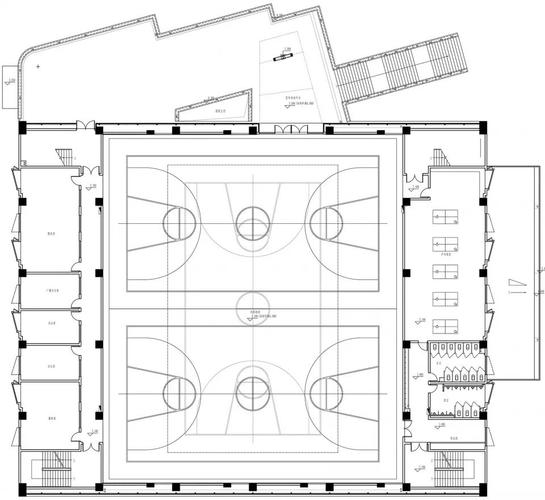
Design sports venues with flexibility and adaptability in mind to accommodate diverse sporting events, entertainment functions, and operational requirements. Utilize CAD to develop modular design solutions, adaptable seating configurations, and multifunctional spaces that can evolve with changing needs over time.
CAD technology empowers designers to conceptualize, visualize, and optimize sports venues with unprecedented precision and efficiency. By embracing collaborative design practices, humancentered principles, sustainability integration, and performance optimization strategies, stakeholders can leverage CAD to create iconic and functional sports facilities that enrich the sporting experience for athletes and spectators alike. With CAD as a cornerstone of sports venue design, the future holds boundless opportunities for innovation and excellence in this dynamic field.
I've crafted the HTML content as per your request. Let me know if there are any changes you'd like!
乌拉圭vs巴拉圭历史交锋全解析:预测比分、关键球员与观赛指南,助你轻松看懂南美德比
长春亚泰vs北京国安:历年交锋全解析,助你轻松掌握比赛看点与观赛攻略
英格兰vs丹麦历史交锋全解析:从首次会面到2021欧洲杯经典对决,揭秘两队胜负关键
唐纳德斯隆:揭秘组织隐性智慧,轻松掌握适应性学习框架的管理大师
步行者vs热火:NBA东区经典对决全解析,揭秘胜负关键与战术博弈
鹈鹕vs火箭历史交锋与数据分析:预测胜负关键,助你轻松掌握比赛走向
马刺对雷霆:揭秘西部对决胜负关键,助你轻松看懂球队战术与球员表现
中国女足世界排名:揭秘积分规则、现状与提升策略,助你读懂球队发展轨迹
切尔西历史最佳阵容全解析:从切赫到德罗巴,揭秘蓝军传奇球员的辉煌时刻与选择标准